
GeSI at MWC Barcelona 2026: Advancing Trusted Pathways for Digital Sustainability
Held from 2–5 March at Fira Gran Via, MWC Barcelona 2026 provided a timely backdrop for discussions on the next phase of digital transformation. In this context, GeSI’s participation centred on two issues of growing strategic importance: how digitally enabled emissions reductions can be assessed with greater rigor and credibility, and how sustainability considerations can be integrated earlier into the development of next-generation AI devices.
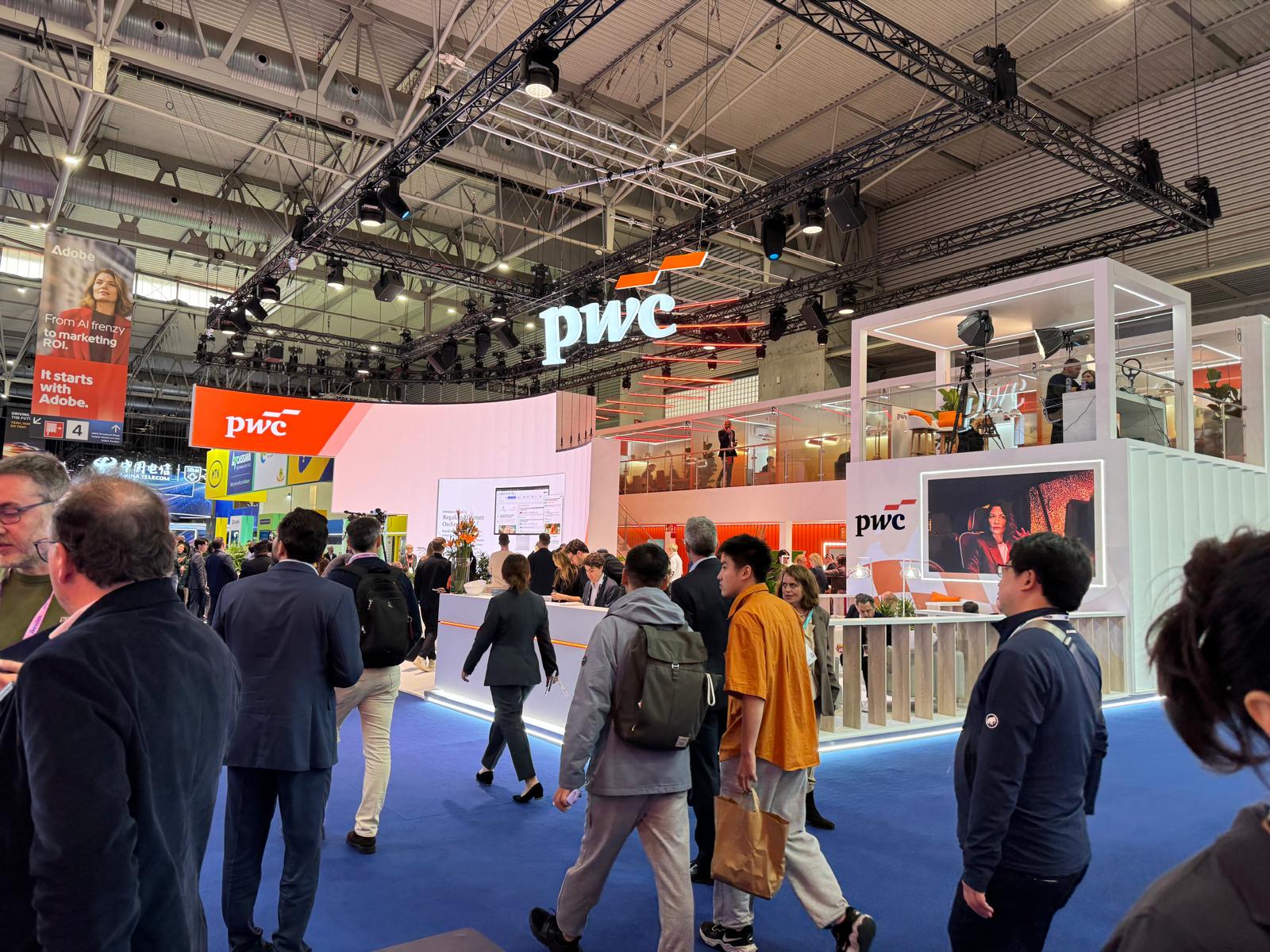
PWC Booth
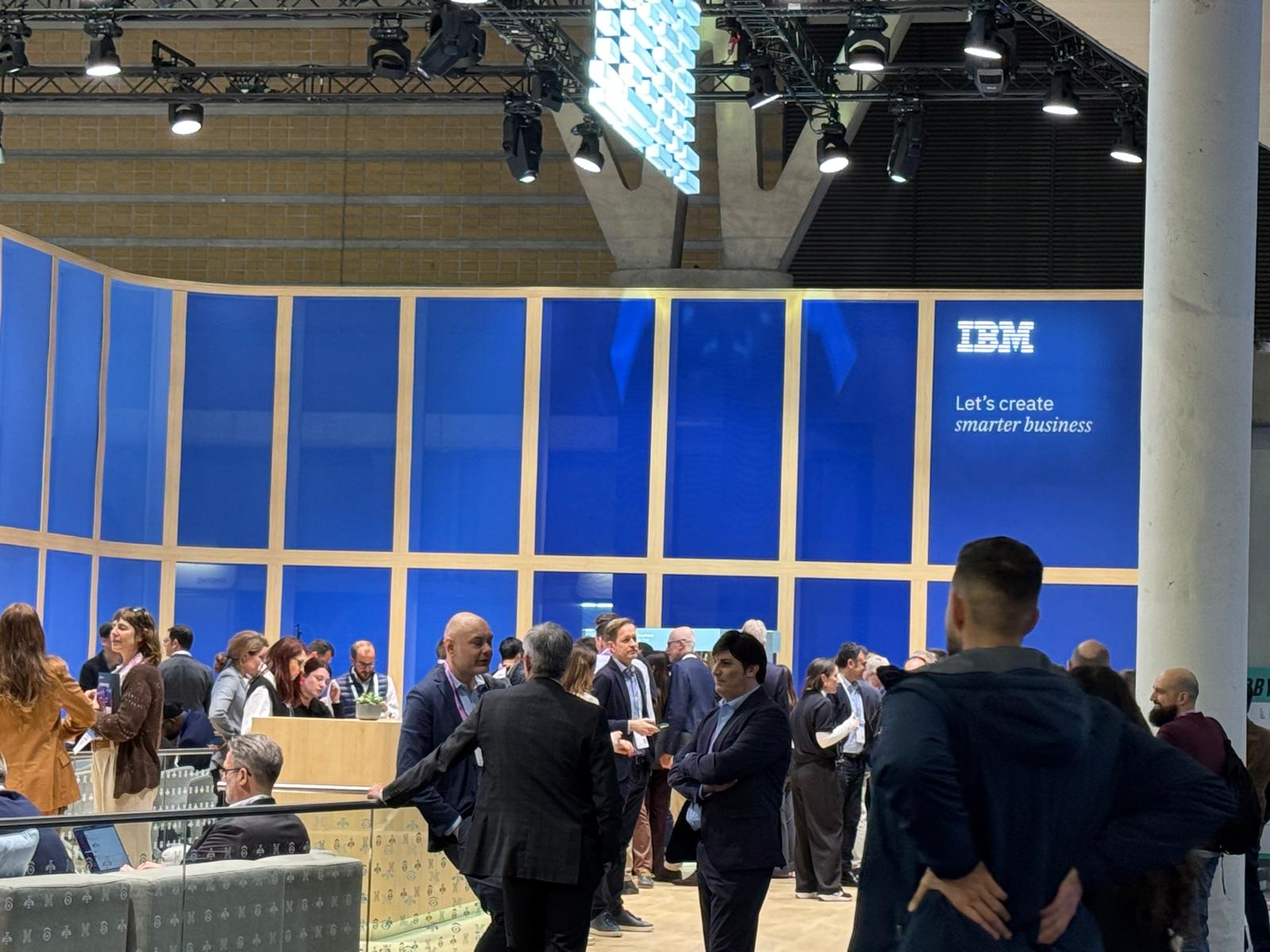
IBM Booth
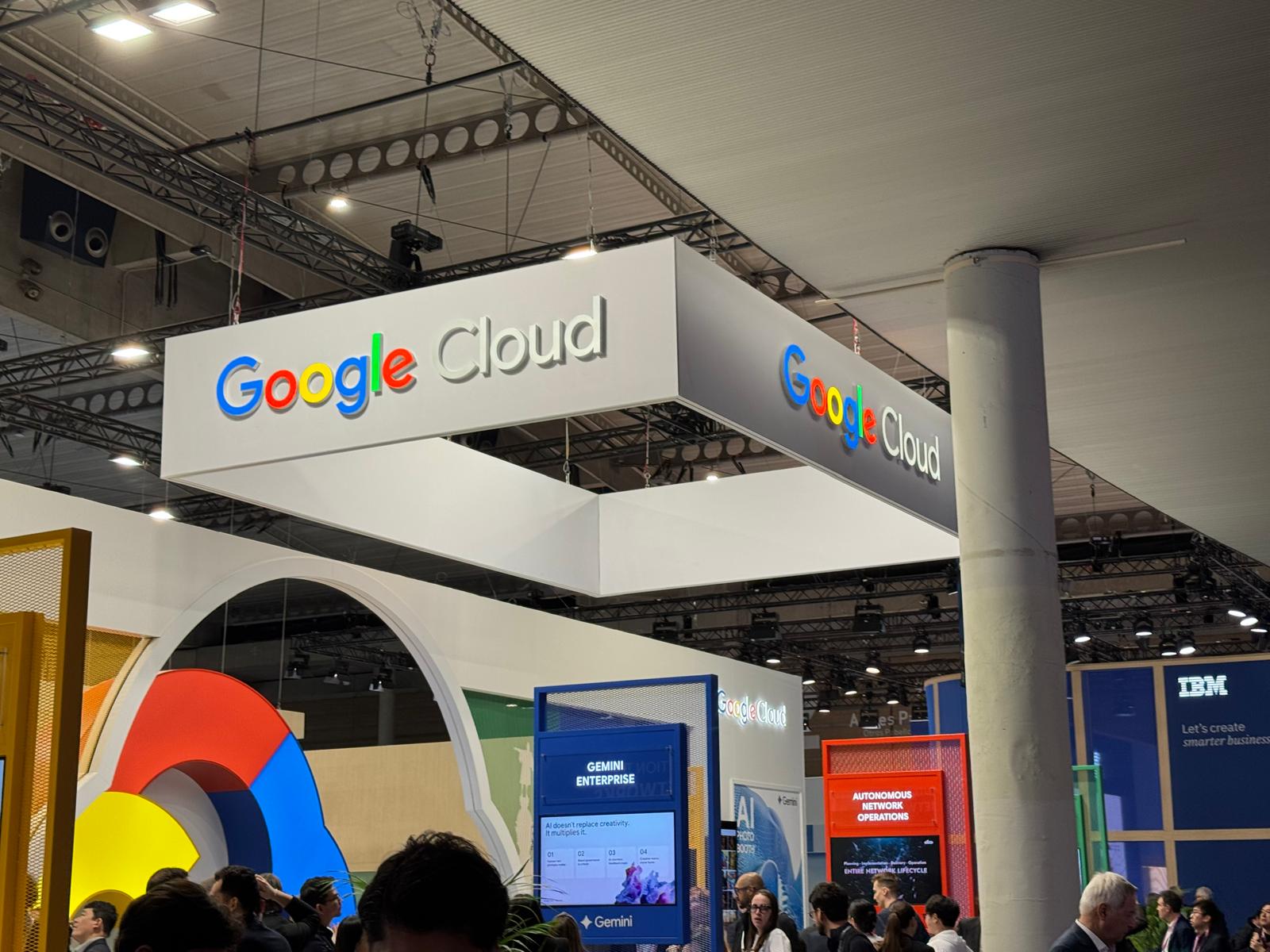
Google Cloud Booth
A central element of GeSI’s engagement was the Green Digital Roundtable: Innovation, Practice, Evaluation and Certification, which explored the next stage of maturity for digital sustainability. The discussion moved beyond the now familiar premise that digital technologies can support the green transition, and instead focused on the conditions required to make that contribution measurable, comparable and trusted in practice. Bringing together perspectives from standards development, applied research, industrial deployment, carbon handprint assessment and independent assurance, the roundtable reflected the increasingly interdisciplinary nature of this agenda.
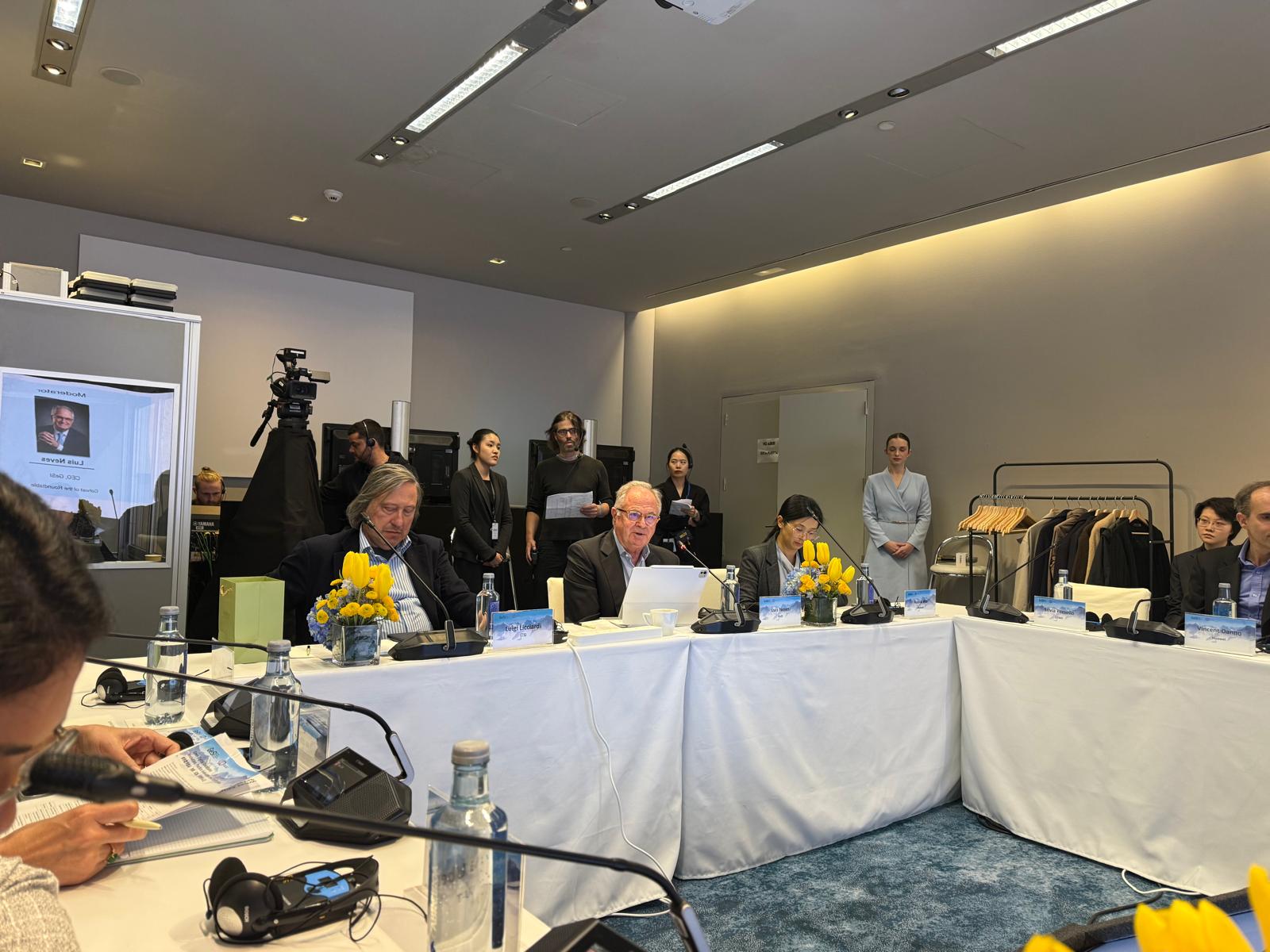
Luís Neves at the Green Digital Roundtable
This emphasis was also evident in GeSI’s framing of the discussion. As Luis Neves noted, while recognition is growing that digital technologies can accelerate emissions reduction, the more important challenge is how to translate that potential into structured industry practice and ensure that outcomes become “measurable, comparable, and trusted.” That perspective set the tone for a conversation that was less about isolated solutions than about the enabling conditions needed for digital sustainability to scale with credibility.
The agenda illustrated that shift clearly. Contributions covered efficient data centres and AI, smart campus solutions, logistics applications, methodologies for evaluating digitally enabled greenhouse-gas reductions, and certification approaches designed to strengthen confidence in sustainability claims. Taken together, these discussions pointed to a broader market reality: digital sustainability is no longer defined by technological promise alone, but increasingly by methodological rigor, interoperability and trust. In this sense, the roundtable highlighted not only innovation opportunities, but also the institutional foundations required for digital sustainability to mature as a field of implementation. This direction is closely aligned with GeSI’s wider work on carbon handprint methodologies, Scope 3 and ESG reporting, and the broader Digital with Purpose agenda.
GeSI’s engagement at MWC also extended into a different but equally relevant frontier through the Future Audio-Visual Summit (FAVS), where the focus turned to next-generation visualized smart devices and AI wearables. As a concurrent MWC event, the summit reflected the rapid emergence of AI-enabled consumer and edge-device ecosystems, and provided an opportunity to bring sustainability considerations into a field whose long-term norms are still taking shape.
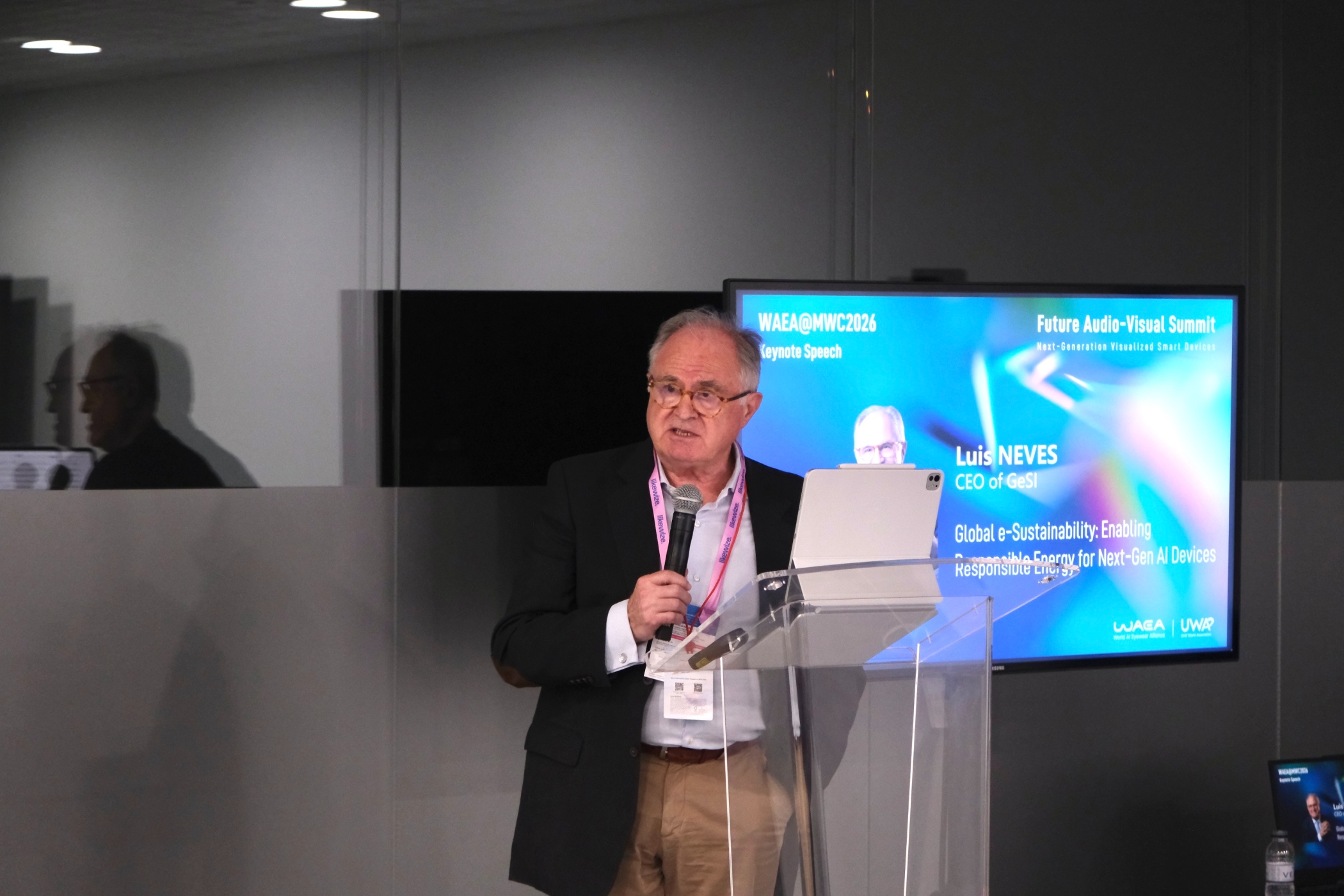
Luís Neves keynote at FAVS
In his keynote, “Global e-Sustainability: Enabling Responsible Energy for Next-Gen AI Devices,” Luis Neves addressed the implications of AI moving from centralized infrastructure into distributed, everyday devices. His central argument was that as intelligence becomes increasingly embedded in wearables and edge-based products, energy demand also becomes more fragmented, less visible and potentially more difficult to govern. From that perspective, the expansion of AI devices is not only a question of technological capability, but also of how responsibility for energy and resource use is designed into these systems from the outset.
That message added an important dimension to the broader MWC conversation. Rather than treating sustainability as a downstream consideration, the keynote emphasized that the current phase of the wearable AI ecosystem represents a critical design window. Choices being made now around computational efficiency, material selection, infrastructure sourcing, interoperability and lifecycle management will shape the environmental profile of this sector for years to come. As Luis argued, sustainability in this context should not be understood as a constraint on innovation, but as a condition for durable innovation.
Taken together, these two engagements illustrated a defining strength of GeSI’s platform. At MWC Barcelona 2026, GeSI engaged both with mature questions around standards, evaluation and certification, and with emerging technology areas where sustainability frameworks remain underdeveloped. In both settings, its role was to help connect the actors, methods and strategic perspectives needed for responsible digital transformation to advance in credible and practical terms.
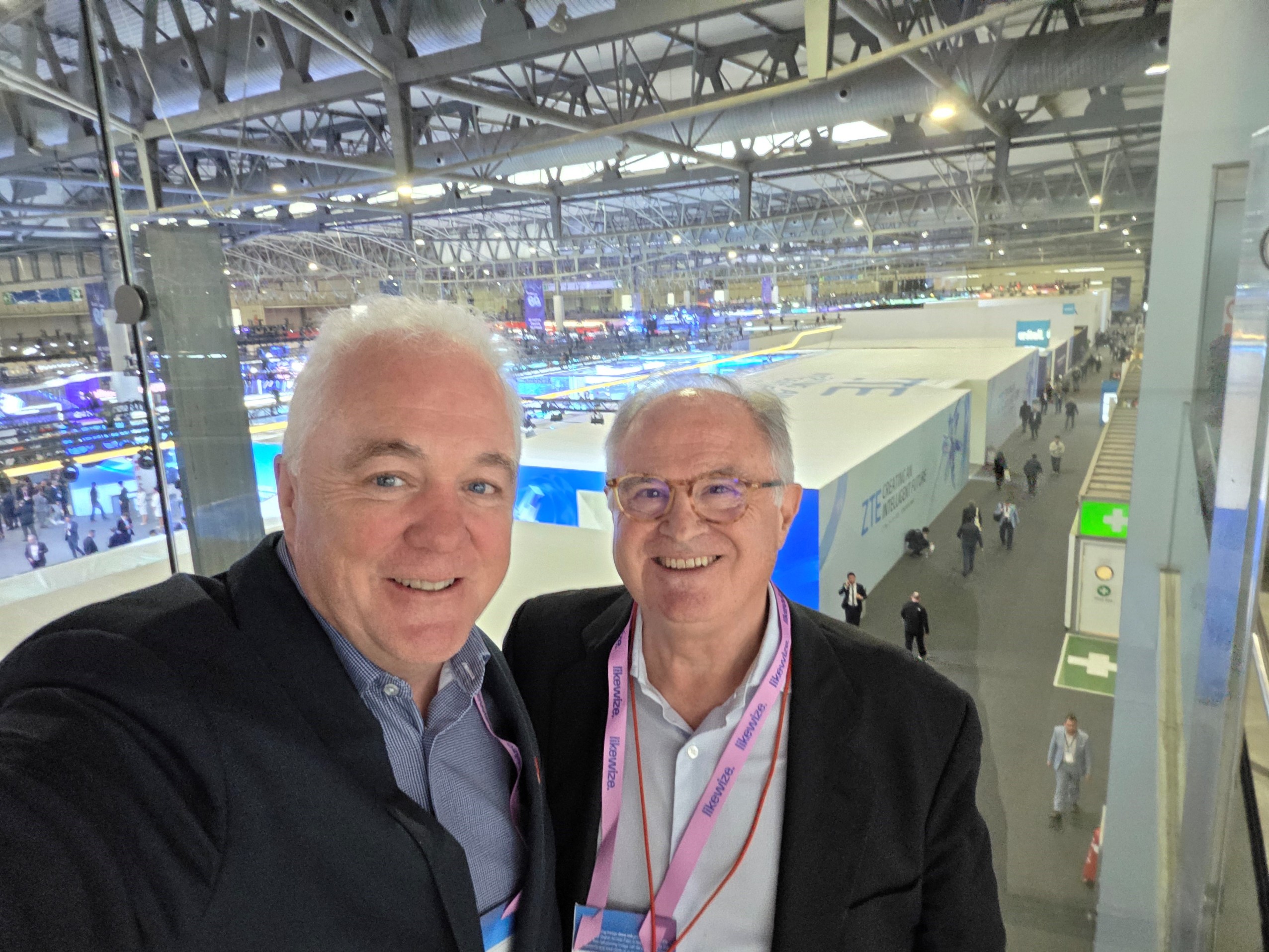
Jim Gowen Senior Vice President – SVP Supply Chain Operations and Chief Sustainability Officer, Verizon and Luis Neves, CEO, GeSI
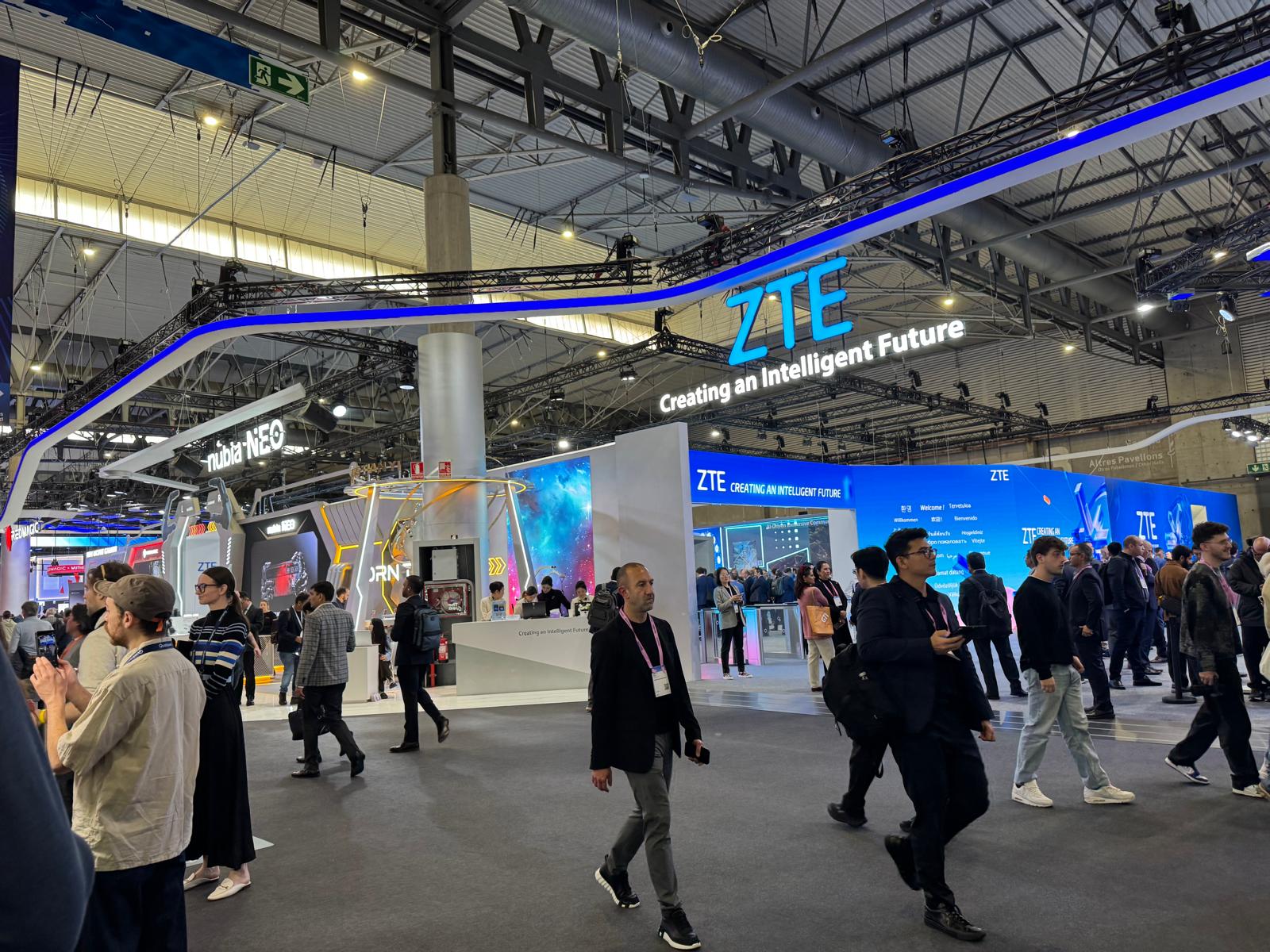
ZTE Booth
For GeSI members, this remains a core part of the organization’s value. MWC Barcelona 2026 showed how GeSI can contribute not only to international visibility, but also to the development of shared frameworks, stronger partnerships and more coherent approaches across the wider digital sustainability ecosystem. As digital transformation becomes increasingly embedded across infrastructure, services and devices, that connective role will remain essential to ensuring that innovation delivers measurable environmental value in practice.
Become a member and get access to all special member content with the best insights of tech and sustainability issues today.