
GeSI Advances Digital Sustainability in APAC: From AI Infrastructure to City-Level Innovation Ahead of 2026 Shenzhen Summit
As GeSI continues its ambition in positioning Digital and AI technologies as a fundamental driver to respond to the pressing planetary challenges we are facing, and digital sustainability keeps moving from ambition to deployment, it remains a top priority to continue to work with our member companies and focus on how digital technologies are powered, governed, manufactured, scaled, and applied in ways that create measurable value for business, society, and the planet.
In this connection last April, GeSI deepened its engagement within the APAC region digital sustainability ecosystem through a series of exchanges across Shanghai, Shenzhen, Zhuhai and Dongguan.
The visit connected AI infrastructure, intelligent terminals, city-level implementation, green manufacturing and sustainable supply chains — all closely linked to the upcoming 2026 Digital with Purpose Global Summit in Shenzhen.
Sustainable AI Infrastructure: From Shanghai to Zhuhai
AI is reshaping digital infrastructure. Data centres are becoming critical infrastructure for the global economy, but their growth now depends on more than computing capacity. Energy availability, grid integration, water use, cooling efficiency, carbon accounting, and public trust are becoming part of the same conversation.
This was a central theme of GeSI’s engagement in Shanghai during Shanghai Climate Week. At the Cloud Valley Token & Watt Forum · Shanghai Station, GeSI joined Alibaba Cloud and industry partners to discuss how AI-related digital infrastructure can scale responsibly.
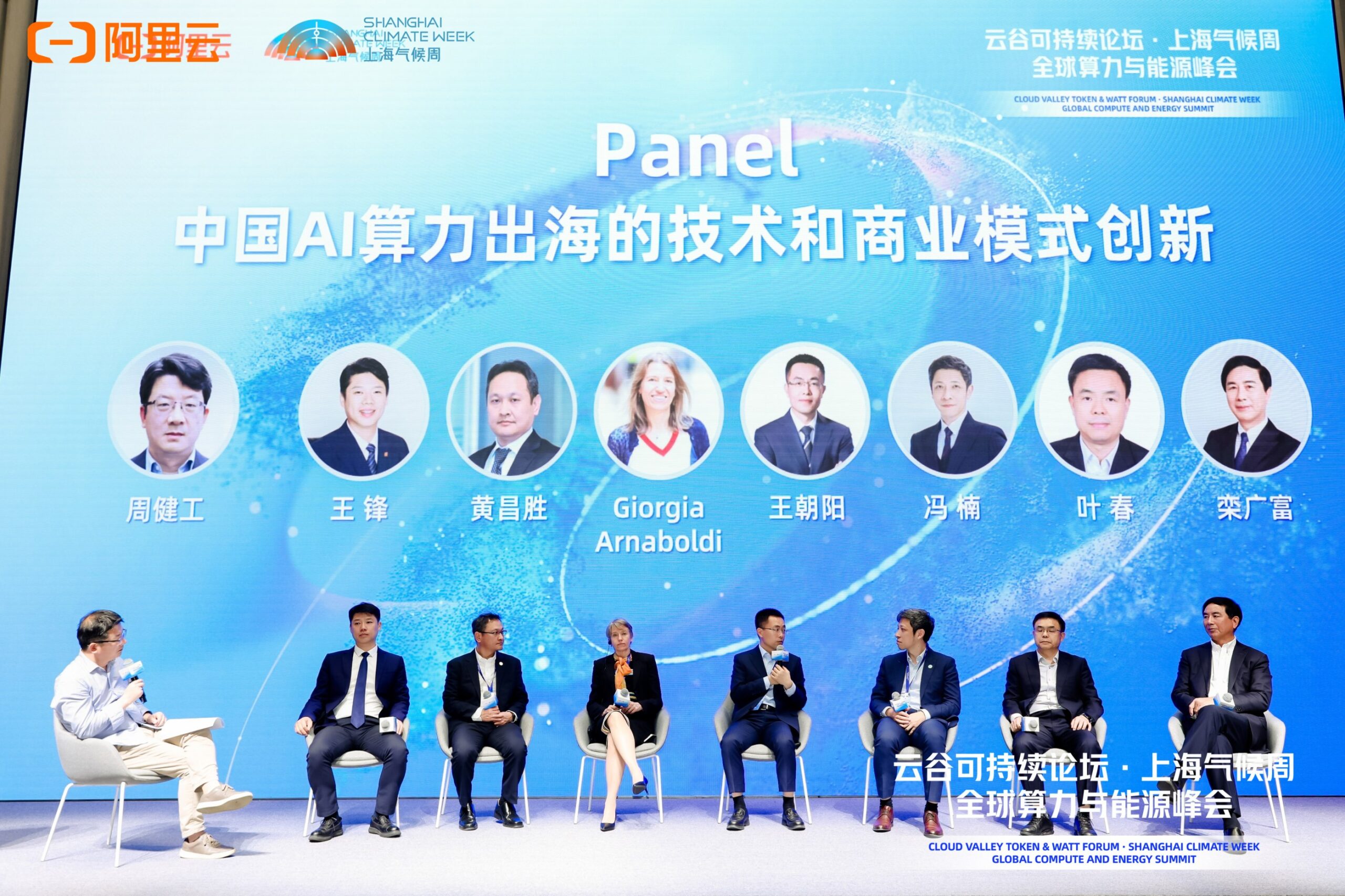
The forum also included the strategic release of the Alibaba–GeSI Joint Outlook: Enabling Decarbonization Across Value Chains, reflecting a shared interest in how cloud technologies, digital infrastructure and cross-sector collaboration can support decarbonization across wider value chains.
The discussion pointed to a clear industry shift: data centre design, energy sourcing, water efficiency, workload optimisation and ESG reporting can no longer be treated as separate issues. They need to be managed as one connected system.
That systems perspective continued in Zhuhai, where GeSI visited Gree Electric Appliances, a GeSI member company, for technical exchanges on data centre cooling, green manufacturing and integrated energy solutions.
Gree presented full-scenario intelligent cooling solutions for hyperscale campus data centres, small and medium-sized facilities, AI supercomputing centres and edge computing environments. Discussions focused on liquid cooling, high-temperature operation, waste heat recovery, PV-storage-cooling integration and the retrofit of legacy data centres.
Together, the Shanghai and Zhuhai engagements reinforced a practical point: sustainable AI infrastructure requires coordination across computing power, cooling systems, renewable energy, storage, grid flexibility, lifecycle carbon management and supply chain capabilities.
Intelligent Terminals and Sustainable Design
GeSI’s visit also touched on the next generation of intelligent terminals, including AI wearables and AI glasses.
As AI moves from cloud systems into everyday devices, intelligent terminals are becoming a new interface between people, data and digital services. For GeSI, this emerging sector connects directly with sustainability.
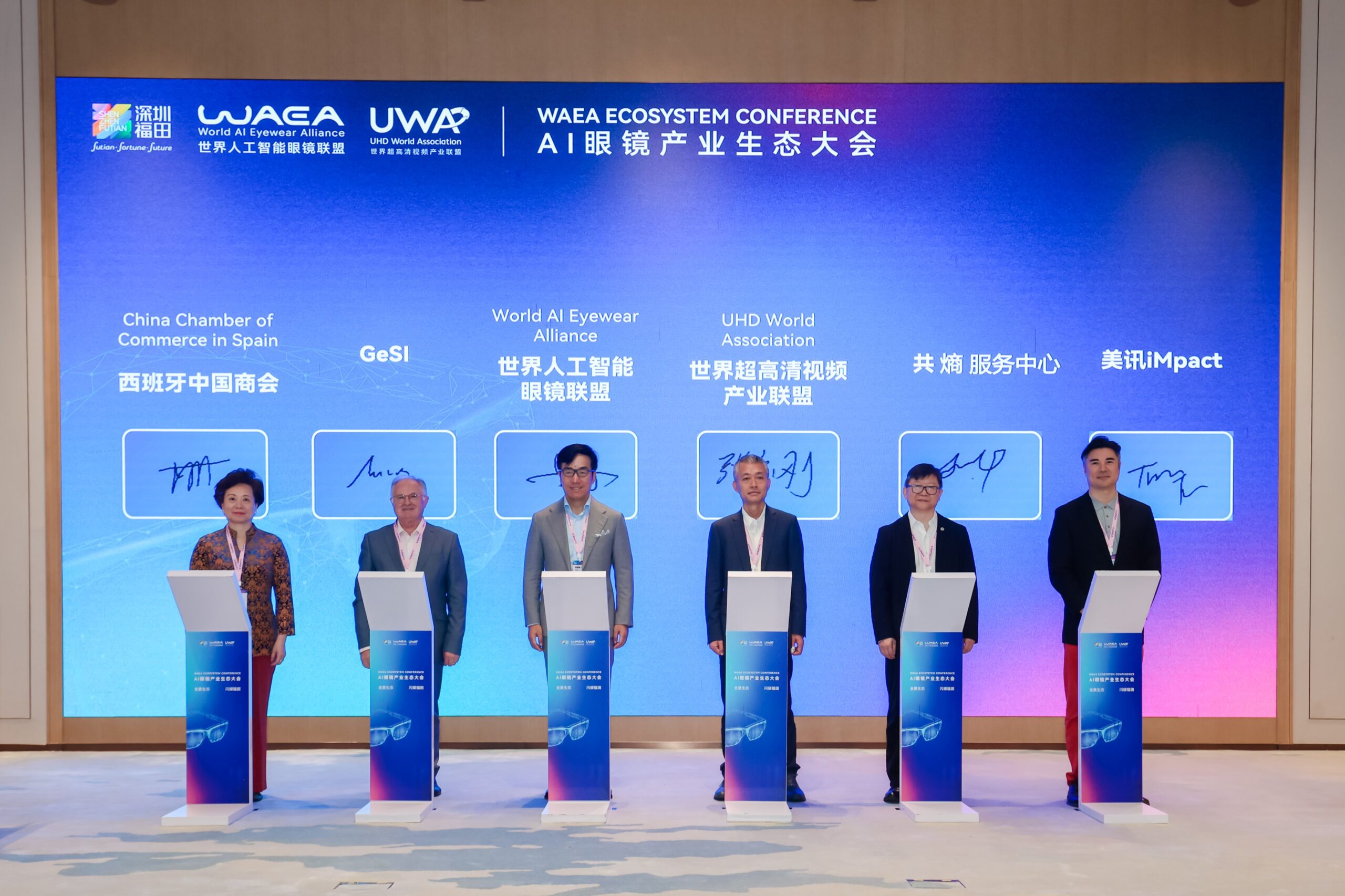
The key questions are not only about product performance. They are also about durability, repairability, responsible AI use, privacy protection, supply chain transparency, and circular design.
China’s intelligent terminal ecosystem offers a strong foundation for this discussion. Its manufacturing depth, product iteration speed, and emerging AI device clusters create opportunities to connect innovation with sustainability from the design stage, rather than treating compliance as an afterthought.
Cities as Living Laboratories
Cities are where digital sustainability becomes real.
In Shenzhen, GeSI held high-level exchanges with the Shenzhen Municipal Government, the Shenzhen Association for Science and Technology, and the Qianhai Authority. Discussions covered GeSI’s Asia-Pacific representative office in Qianhai, the preparation of the 2026 Digital with Purpose Global Summit, and potential cooperation in sustainable data centres, smart and sustainable cities, water digitalization, digital education, AI governance and green supply chains.
Qianhai’s interest in joining GeSI as a city member is especially significant. Cities are where digital solutions must prove their value — in infrastructure, public services, climate resilience, resource management, and inclusive growth.
The visit to Biosphere 3 in Yantian added a concrete example of this logic. Biosphere 3 is not simply a venue. It is a functioning carbon-neutral experimental park, integrating zero-carbon buildings, circular waste solutions, community sustainability practices, and environmental education.
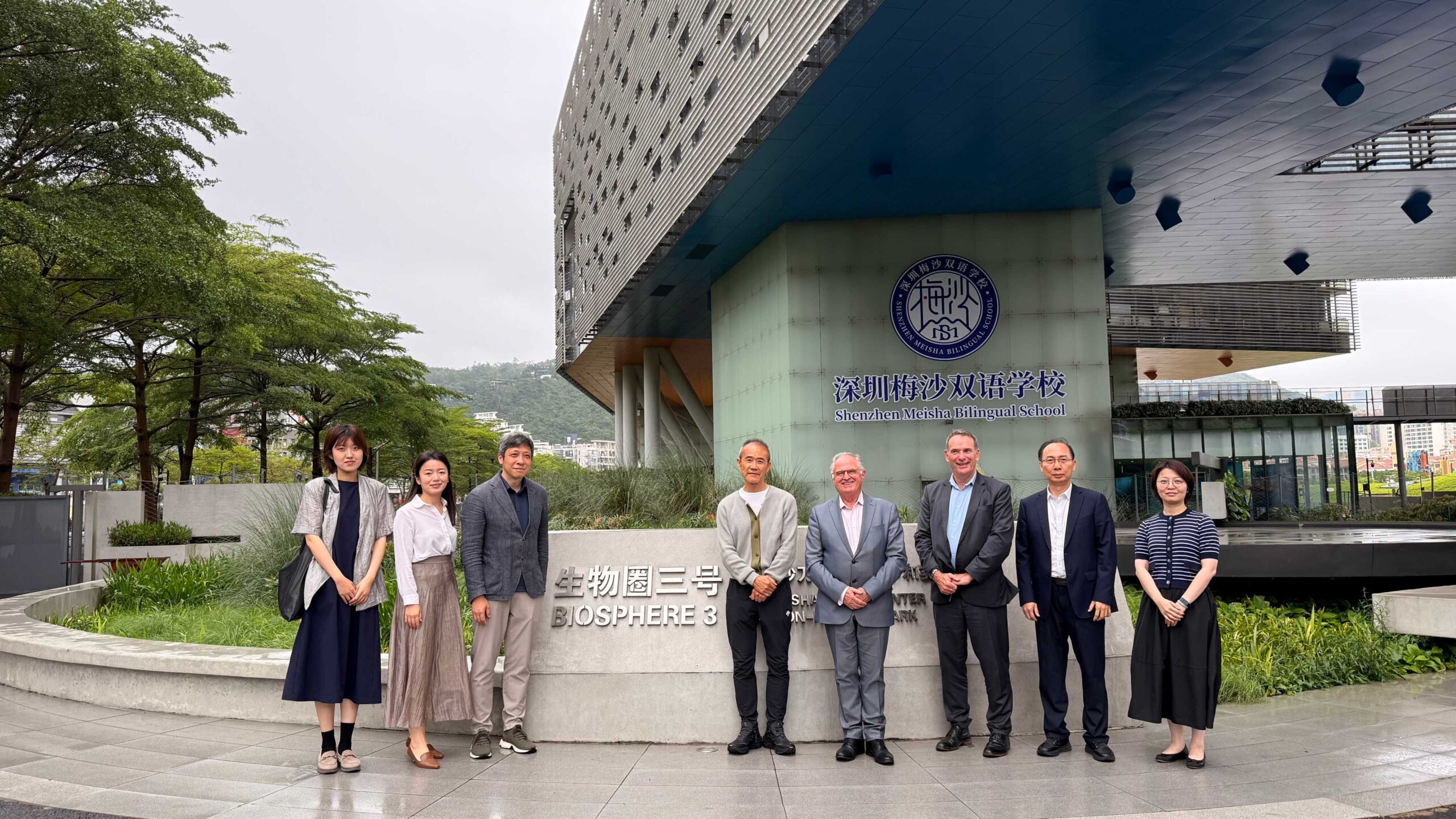
GeSI and its partners discussed incorporating Biosphere 3 into the DWP Shenzhen Summit experience, allowing international guests to see how digital technology, community life and sustainability can come together in a real-world setting.
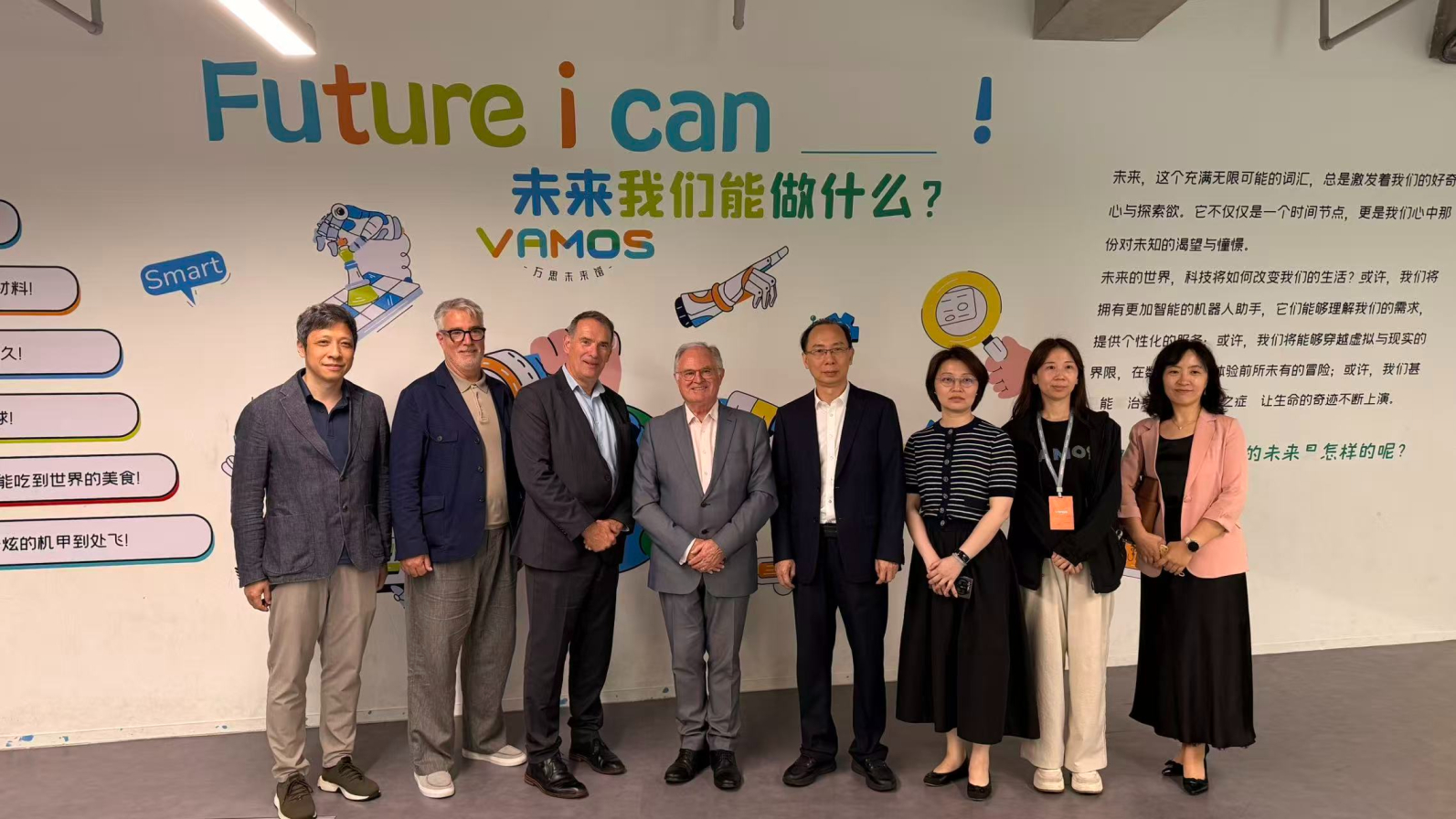
Digital education also emerged as a cross-cutting area for cooperation. During the visit to Biosphere 3, the exchange with VAMOS Future Museum highlighted the role of education partners in connecting AI literacy, climate awareness and future-industry skills. Through GeSI’s Digital Education for Impact Alliance (DEFIA), this can become part of a broader effort to bring universities, education institutions, public authorities and market actors together around the skills needed for the digital and green transitions.
Sustainable Supply Chains and Member Innovation
Another key theme of the visit was sustainable supply chains and member-led innovation.
In Zhuhai and Dongguan, GeSI’s exchanges with member companies and manufacturing enterprises showed how the industrial ecosystem can contribute to the next phase of digital sustainability — not only as a production base, but also as a source of solutions, standards alignment and practical implementation.
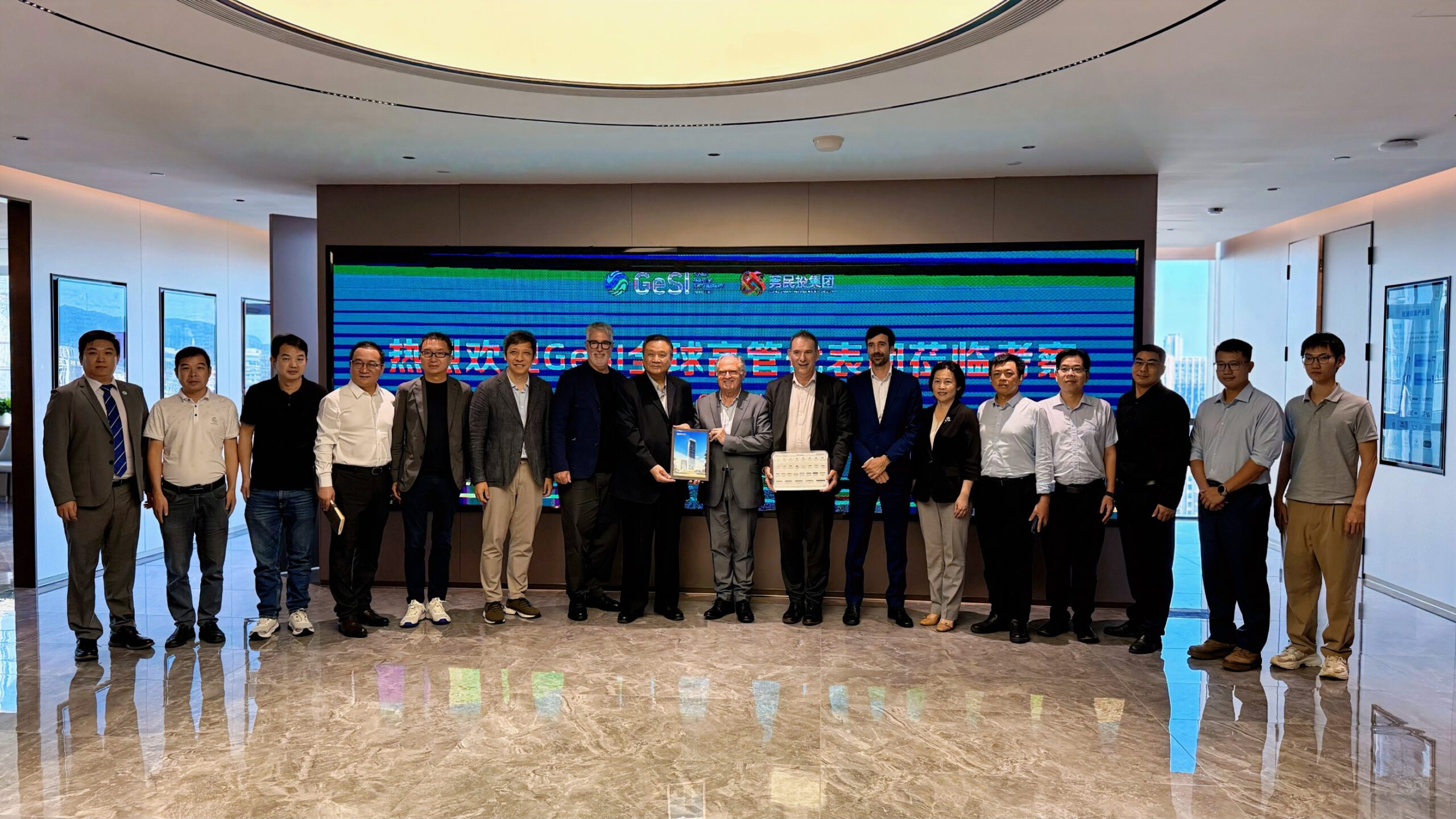
Gree represents one part of this opportunity. Its work on data centre cooling, energy integration and green manufacturing is directly relevant to GeSI’s Datacentres, Energy and Water agenda.
Mentech Optical & Magnetic, also a GeSI member, reflects another layer of the same ecosystem: the components and connectivity behind digital infrastructure. During the exchange, Mentech introduced its optical module portfolio, manufacturing capabilities and low-power technology pathways, including LPO and NPO solutions. The discussion also explored how green electricity use, sustainable manufacturing practices and ESG management could support the company’s international market positioning.
In Dongguan, GeSI also met with a wider group of manufacturing and supply chain enterprises as well as supply chain associations The discussion revealed a common challenge: many suppliers are beginning to face international sustainability and compliance requirements, but the signals are often fragmented or difficult to translate into action.
GeSI’s message was clear: sustainable supply chain work should not become a one-way audit exercise. It should become a collaborative process that helps companies reduce risk, improve resilience and strengthen competitiveness.
Become a member and get access to all special member content with the best insights of tech and sustainability issues today.